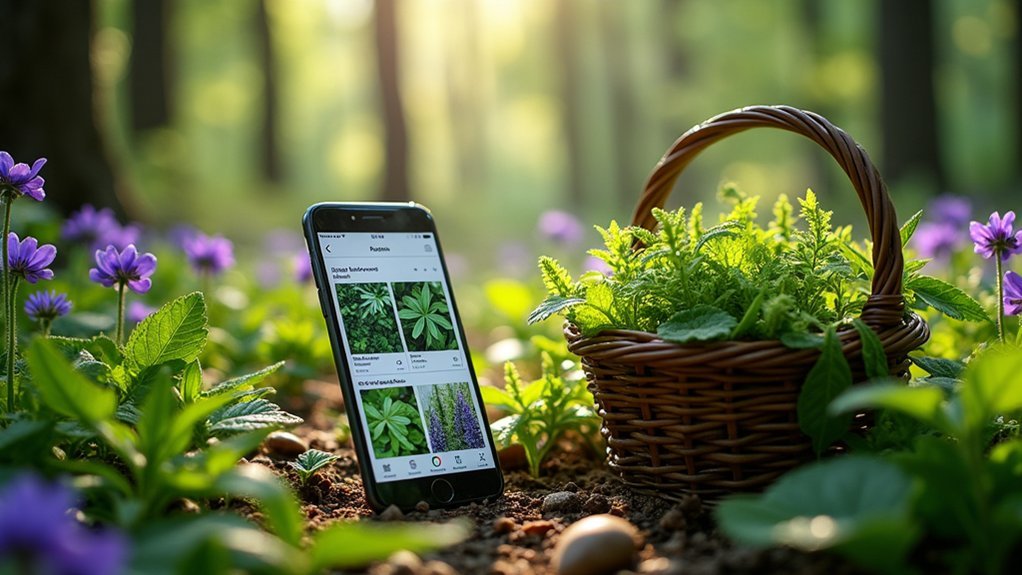
Several apps can transform your foraging experience. Seek by iNaturalist and PlantSnap offer instant plant identification through your camera, while providing toxicity warnings to keep you safe. You'll find seasonal availability calendars that track ideal harvesting times when wild edibles have peak nutritional value. Some apps feature community-based mapping to locate urban foraging spots, though be mindful of privacy when sharing secret locations. Discover how these digital tools enhance your connection to local ecosystems while ensuring sustainable harvesting practices.
Wild Plant Identification Through Camera Technology
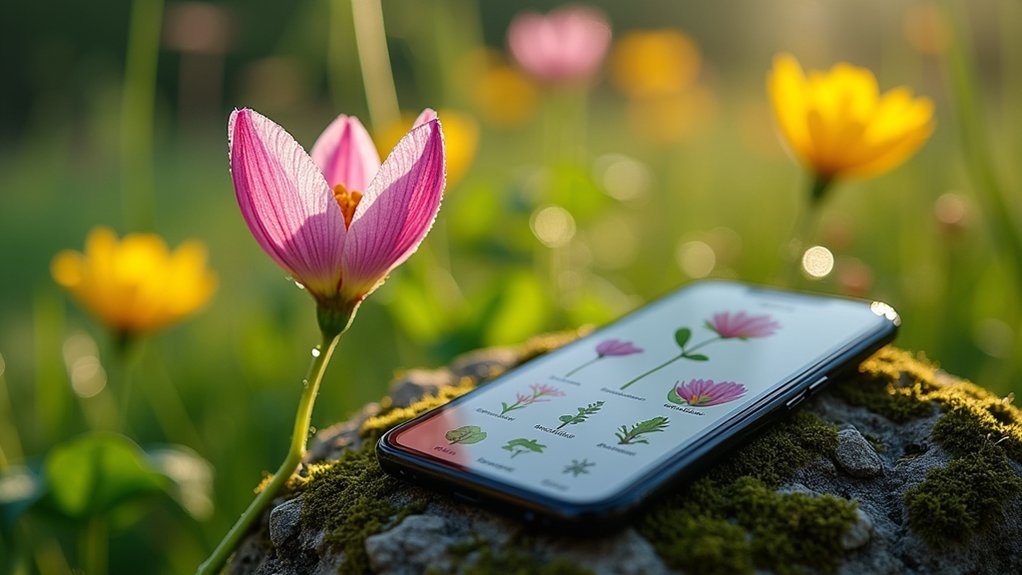
As smartphone cameras become increasingly sophisticated, plant identification apps have revolutionized how we interact with the natural world. These apps leverage convolutional neural networks and deep learning algorithms to instantly identify wild plants from your photos.
You'll find that multi-organ plant identification systems allow you to snap images of different plant parts—leaves, flowers, stems, or fruit—for more accurate results year-round. Apps like Seek by iNaturalist and PlantSnap use image recognition technology coupled with GPS data to narrow down possibilities based on your location. These platforms are essential for professionals like botanists, farmers, and natural food hunters seeking to identify medicinal or edible wild plants.
The technology works through your camera, analyzing visual data from multiple angles to compare against vast databases of plant species. Many apps offer free access to their databases, while continuously improving their accuracy through machine learning and community verification from experienced foragers and botanists.
Tracking Nutritional Value of Foraged Edibles
Modern foraging apps now offer you extensive nutrient profiles of wild edibles, allowing precise tracking of vitamins, minerals, and other beneficial compounds in your gathered foods.
You'll find seasonal information that highlights when specific plants reach their peak nutritional value, making your foraging expeditions more rewarding throughout the year. A comprehensive seasonal availability database helps users track optimal harvesting times for different wild foods.
Many apps also include bioavailability tracking features that help you understand how effectively your body can absorb and utilize the nutrients from different foraged species.
Wild Plant Nutrient Profiles
Why are wild plants increasingly gaining attention from health-conscious foragers? The answer lies in their exceptional nutritional density. Wild edibles typically contain remarkably higher concentrations of essential nutrients than their cultivated counterparts.
You'll find remarkable examples like *Allium roseum* with 1523mg of vitamin C per 100g—vastly exceeding what's in common fruits.
*Solanum nigrum* leaves deliver 332.34 kcal/100g energy and 19.90% crude proteins, while *Corylus avellana* provides 2500μg of immune-supporting zinc.
For digestive health, *Satureja hortensis* offers an impressive 45.7g of dietary fiber per 100g.
Traditional diets incorporating these wild foods are associated with fewer chronic diseases compared to modern diets high in processed foods and empty calories.
Apps like Foraged, NatureID, and PictureThis help you identify these nutritional powerhouses, providing detailed profiles that reveal the hidden benefits of plants you might otherwise overlook during your foraging expeditions.
Seasonal Foraging Benefits
Tracking seasonal changes in wild edibles reveals nature's nutritional calendar unfolding throughout the year.
You'll discover that wild foods often contain higher concentrations of vitamins and minerals than their cultivated counterparts, plus unique phytonutrients unavailable in grocery stores.
Spring offers particularly nutrient-dense options like dandelion greens, wild garlic, and ramps—packed with vitamins after winter's scarcity.
These foraged treasures deliver high levels of antioxidants, reducing oxidative stress in your body while enhancing your overall dietary quality.
Unlike conventional produce, wild edibles grow without pesticides or industrial chemicals, providing a clean, natural food source.
Apps like Wild Edibles Lite provide detailed information on seasonal plants with multiple pictures and comprehensive nutritional information to guide your foraging efforts.
Bioavailability Tracking Features
While current plant tracking apps excel at identification, they generally fall short when it comes to monitoring the nutritional profiles of foraged edibles. Most lack detailed nutrient data for wild plants, creating notable gaps in tracking the bioavailability of minerals like iron and zinc.
You'll find that preparation methods matter notably—fermentation can enhance nutrient absorption by reducing phytates that inhibit mineral uptake. For effective nutritional planning, apps should account for how cooking processes significantly affect mineral retention in wild vegetables, just as they do in traditionally cultivated plants.
Though foraged plants often contain abundant antioxidants and vitamins, the complex interactions between phytochemicals aren't reflected in today's apps.
Scientific nutrient analysis relies on laboratory techniques like atomic absorption spectrophotometry, but this data rarely makes it into consumer applications.
Future developments may incorporate critical antinutrient-mineral ratios to help you predict bioavailability and maximize the nutritional benefits of your foraged finds.
Seasonal Foraging Calendars for Urban Areas
Seasonal foraging calendars for urban areas now include interactive local edible plant maps that pinpoint wild garlic in churchyards and nettles in abandoned lots.
Monthly harvest guides help you track when elderflowers bloom in summer and when wild apples ripen in fall.
Modern apps also feature critical toxicity warning systems that prevent you from confusing edible plants with dangerous lookalikes found in city parks and green spaces.
The best foraging apps can help you identify stinging nettle, which becomes highly nutritious when properly cooked and works wonderfully in soups.
Local Edible Plant Maps
Urban foragers can now easily locate free food sources throughout their cities thanks to specialized edible plant maps that function as seasonal foraging calendars.
These interactive platforms highlight locations of fruit trees, wild herbs, and edible mushrooms while providing vital seasonal information to maximize your harvesting opportunities.
Most edible plant maps offer:
- Filtering tools to search by plant type, season, or location
- Community contribution features allowing users to add new discoveries or update existing entries
- Mobile accessibility through apps like Falling Fruit for on-the-go foraging
These collaborative resources not only reduce food waste by identifying unharvested plants but also foster community engagement as foragers share knowledge. The maps display orange circles indicating clusters where multiple foraging opportunities exist in close proximity, making it easier to plan efficient urban harvesting routes.
Monthly Harvest Guides
To maximize your urban foraging efforts, monthly harvest guides serve as indispensable resources that track seasonal availability of edible plants throughout the year.
While most plant identification apps lack thorough harvest calendars, you'll find emerging solutions integrating seasonal data with local microclimates.
Apps like Foraging with the Wildman offer basic seasonal guides, but they're often limited to specific regions. For reliable urban foraging, you'll need guides that account for city-specific challenges like pollution and varied microclimates.
The most effective harvest calendars incorporate input from experienced local foragers and botanists. Taking only what you need allows plants to regrow and supports sustainable foraging practices in urban environments.
Look for apps that allow community contributions and dynamic updates based on real-time observations.
These collaborative tools help prevent over-harvesting while directing you to safe foraging spots that align with sustainable practices and local regulations.
Toxicity Warning Systems
While monthly harvest guides tell you when to forage, effective toxicity warning systems protect you from what not to pick.
Today's plant identification apps offer varying levels of poisonous plant alerts, though many lack thorough foraging safety features.
PlantSnap stands out with its dedicated risk alert system for potentially harmful species, while iNaturalist's community-built guides provide collective wisdom on safe foraging practices.
Unfortunately, most general plant identification apps don't specialize in toxicity information.
For maximum safety when foraging, consider:
- Cross-referencing multiple apps to verify plant identification
- Seeking apps that specifically highlight toxic look-alikes
- Supplementing app information with local foraging groups' knowledge
Remember that technology should complement—not replace—proper education about potentially dangerous plants in your area. The safest approach is to gather from areas that are farther from hazardous sites to significantly reduce contamination risks.
Community-Based Mapping of Local Wild Foods
As communities reconnect with traditional food sources, the practice of mapping local wild foods has emerged as a powerful tool for sustainability and food security.
You'll find initiatives like Hackney Harvest in London and Denver Fruit Map showcasing this approach through collaborative digital platforms.
Participatory mapping involves community members directly in identifying local wild food sources using GIS software and mobile apps like Vild Mad.
These efforts not only enhance food security but foster community building through group foraging trips and workshops.
The benefits extend beyond just finding food—you're contributing to conservation awareness, supporting local economies, and reducing dependency on external food systems.
Food mapping activities create opportunities for family-friendly engagement while teaching participants about their local foodshed and available resources.
Community-based mapping can even influence local food policies by highlighting alternative food sources within your local environment.
Privacy Concerns for Sharing Secret Harvesting Locations
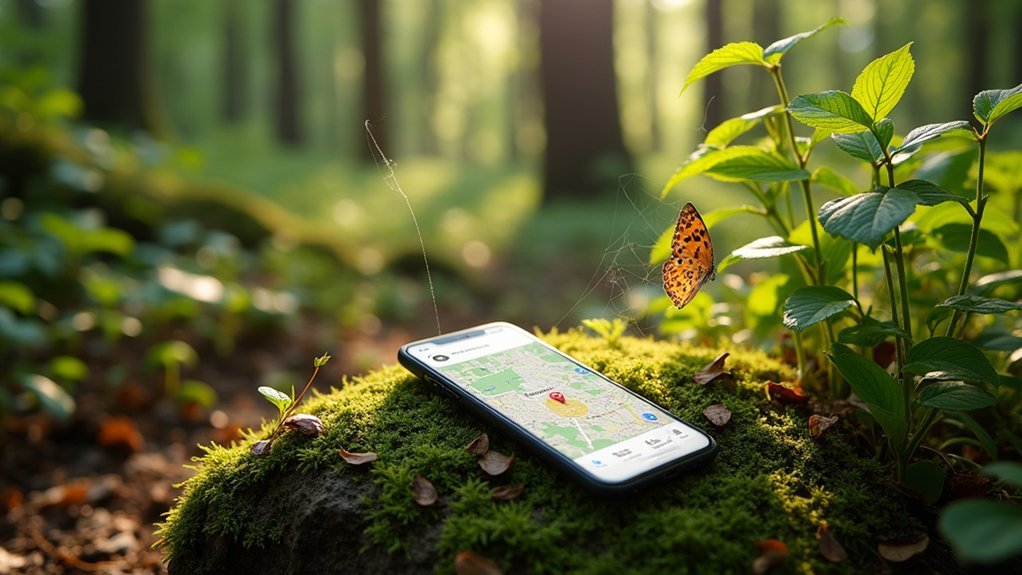
The exchange of detailed mapping information comes with significant privacy risks for foragers and wild food enthusiasts.
When you use plant tracking apps, your harvesting locations—often carefully guarded secrets—may be exposed through inconsistent privacy practices and third-party data sharing.
Most tracking apps collect sensitive information that could compromise your foraging spots:
- Location data is frequently shared with advertisers and analytics companies, potentially exposing your secret harvesting areas.
- Encryption protects data during transmission but doesn't prevent companies from sharing your information with partners.
- Many apps lack transparent deletion processes, meaning your harvesting locations may remain in databases even after you've deleted the app.
Despite deleting an app from your device, your foraging locations may still exist in app data backups somewhere.
Always review privacy policies and consider using apps that prioritize location anonymization to protect your carefully cultivated foraging knowledge.
Cross-Platform Solutions for Field Documentation
Modern field botanists and gardening enthusiasts can greatly enhance their plant documentation efforts through cross-platform solutions that seamlessly operate across devices and environments.
When you're tracking wild edibles in remote locations, apps like Planta and Seed to Spoon offer AI-powered plant identification through simple photos taken in the field.
These solutions provide personalized care plans based on your specific climate and plant types, with real-time weather alerts protecting your harvests from extreme conditions.
You'll appreciate the ability to journal growth stages and care history within the apps, creating valuable documentation of your foraging discoveries.
Most platforms work across mobile devices, with some like Seed to Spoon also offering web access.
For collaborative foragers, you can share care responsibilities with others, ensuring your wild-harvested plants receive consistent attention. Planta enhances the collaborative experience by allowing users to engage with a community of over 7 million plant enthusiasts for sharing experiences and advice.
Integration With Ecological Sustainability Guidelines
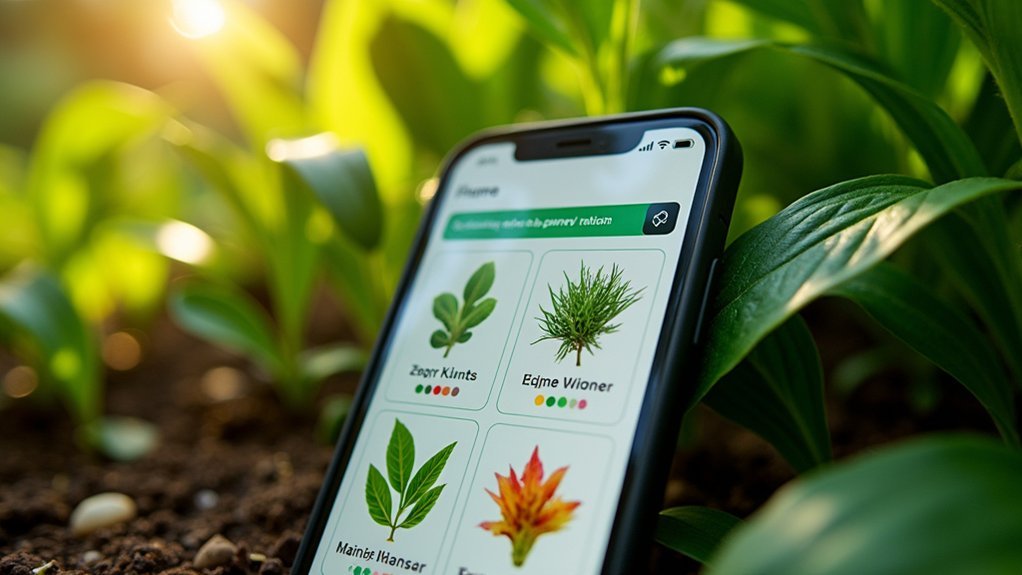
Integration of plant tracking applications with ecological sustainability guidelines provides gardeners and botanists with powerful tools to support environmental conservation.
These apps empower you to engage directly with ecosystem preservation while pursuing your plant identification interests. The iNaturalist app helps track species diversity and aids in conservation of culturally significant plants that are threatened by globalization and land access issues.
When you're exploring the outdoors, consider apps that incorporate these ecological features:
- Sustainable foraging guidance – Apps like iNaturalist and CommunityCrop help you identify edible plants while promoting responsible harvesting practices that protect native species.
- Invasive species reporting – Many platforms enable you to report harmful invasive plants, contributing valuable data to conservation efforts.
- Biodiversity protection – Tools like Pollinator Partner and ClimateGardener assist in creating supportive environments for local pollinators, enhancing ecosystem health through your participation.
Building Personalized Wild Food Consumption Goals
While traditional gardening approaches focus on cultivating domestic plants, tracking apps now offer revolutionary ways to develop personalized wild food foraging plans tailored to your unique nutritional needs.
These platforms combine your microbiome profile, genetic information, and health markers to identify which wild edibles would benefit you most.
You can set specific foraging goals based on nutrient deficiencies, immunity requirements, or health conditions.
Apps provide feedback loops that track your consumption patterns and adjust recommendations accordingly.
As you log wild foods, you'll receive insights about their unique antioxidant properties and nutritional benefits compared to store-bought alternatives.
The apps help you find diverse ingredients with superior taste profiles that can transform ordinary meals into extraordinary culinary experiences.
This technology empowers you to make informed decisions about which plants to prioritize in your foraging expeditions, creating a sustainable wild food diet that addresses your body's specific requirements while enhancing your connection to local ecosystems.
Frequently Asked Questions
Can Plant Tracking Apps Work Offline in Remote Foraging Locations?
Most plant tracking apps have limited offline capabilities. Flora Incognita lets you save unknown plants for later identification, but you'll need internet eventually. Consider downloading reference materials before heading to remote foraging areas.
How Accurate Are Plant Toxicity Warnings in These Apps?
When you rely on plant apps for toxicity warnings, remember PictureThis identifies toxic plants most accurately (10/17 species), while Pl@ntNet (8/17) and PlantSnap (1/17) are less reliable. None provide direct toxicity alerts.
Do These Apps Suggest Cooking Methods for Wild Edibles?
Yes, you'll find cooking methods in Wild Edibles Lite, which offers vegan recipes for identified plants. Other apps like Edible and Medicinal Plants focus less on cooking, requiring you to seek additional recipe resources elsewhere.
Can I Track Medicinal Properties of Foraged Plants?
You can track medicinal properties with apps like Medicinal Plants Identifier and HerbList. They'll provide information on plant virtues, safety, and effectiveness. Always consult experts before using foraged plants for health benefits.
Are There Apps Specifically for Mushroom Identification and Safety?
Yes, you'll find several mushroom identification apps like Picture Mushroom, Mushroom Identificator, and ShroomID. They offer features like photo recognition and species details, but don't rely solely on them for safety decisions.
In Summary
You'll find that the right plant tracking app transforms your wild food hunts from uncertain adventures to confident harvests. Choose one that combines accurate identification, nutritional tracking, and seasonal guidance while respecting your privacy needs. Whether you're documenting urban finds or remote treasures, these digital tools help you forage sustainably while building your personal relationship with nature's pantry.


Leave a Reply