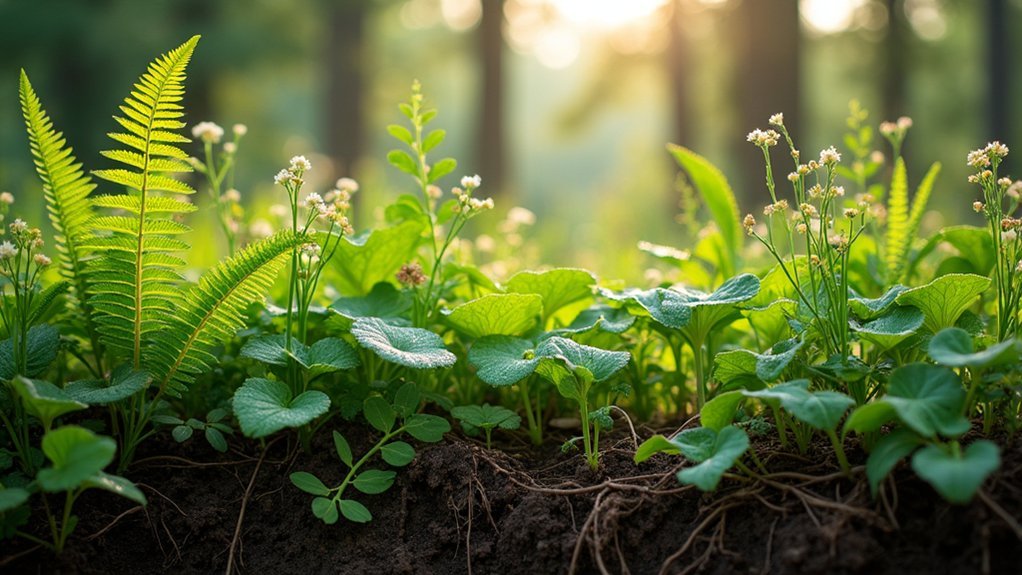
The legal ownership of wild plants you harvest depends on where you find them. On private property, you need the owner's explicit permission. On public lands, regulations vary—national parks prohibit harvesting without permits, while national forests may allow limited collection. Federal protections like the Endangered Species Act supersede local rules for threatened species. Urban foraging often requires official permits and fees. The next sections explore why trespassing can lead to serious criminal and civil penalties.
Legal Ownership of Wild Plants in Public Spaces
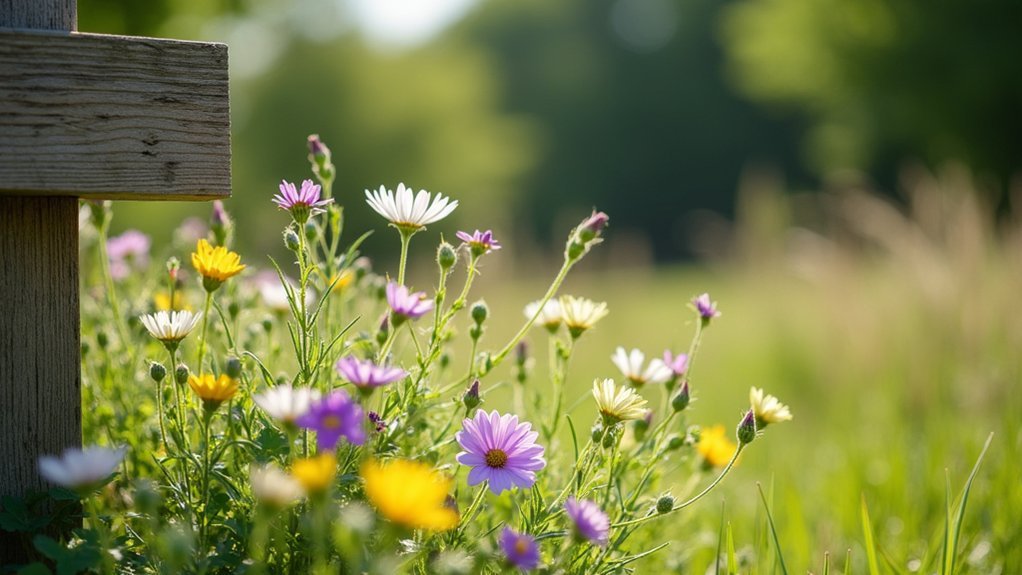
When venturing into public spaces to harvest wild plants, you'll encounter a complex web of legal frameworks that determine who can rightfully claim these natural resources.
The ownership rules vary dramatically depending on where you're harvesting. On national park lands, you're generally prohibited from taking any plants without specific permits, while national forests might allow limited collection with proper authorization.
Foraging permissions shift with each boundary you cross—a plant freely gathered in one jurisdiction may be a protected treasure in another.
State parks and municipal green spaces follow their own distinct regulations. You'll need to navigate federal protections like the Endangered Species Act alongside state-specific harvesting laws and local ordinances.
Before collecting anything, check if you need permits or if quantity restrictions apply. Many local jurisdictions promote the preservation of indigenous plant communities through native plant ordinances that may impact what you can harvest. Remember that what's legal in one public space may be strictly forbidden in another, even if they're just miles apart.
Private Property Rights and Foraging Boundaries
When foraging on private property, you're legally required to obtain the owner's explicit permission or you'll risk trespassing charges and potential liability issues.
You'll need to respect the boundaries set by landowners, who've complete authority to determine where and what you can harvest on their land. This represents a significant shift from colonial New England when broad foraging rights allowed access to private lands without such strict permissions.
Always ask before collecting wild plants on private property, even if the area appears unmaintained or the plants seem abundant.
Trespassing and Liability Concerns
Understanding private property rights presents a critical foundation for ethical foraging. When you venture onto private land without permission, you're committing trespass—which can be both a criminal and civil offense. Penalties vary by jurisdiction but may include fines up to $2,000 and jail time in states like Texas.
Property owners can notify you that entry is forbidden through various means: verbal warnings, written notices, fencing, signs, or even purple paint on trees. Cultural ecology examines how different communities establish and enforce boundaries related to resource harvesting.
While landowners generally aren't liable for injuries to trespassers, they could face liability under the attractive nuisance doctrine if children are harmed by hazardous conditions on their property.
To protect yourself legally and respect others' rights, always seek permission before foraging on private land and look for clear boundary markers indicating where you shouldn't enter.
Permission Before Harvesting
Securing proper permission stands as the cornerstone of legal and ethical foraging practices. You must obtain written authorization from landowners before harvesting plants on private property. On public lands, permits are often required, with specific regulations varying across national forests, parks, and state-managed areas. Asking permission is not just a legal requirement but also a practice that promotes reflection on intentions when harvesting from nature.
| Location Type | Permission Required | Potential Consequences |
|---|---|---|
| Private Land | Written landowner consent | Trespassing charges, theft accusations |
| National Parks | Special permits, often restricted | Fines, possible imprisonment |
| State Forests | Varies by state, typically permit-based | Citations, confiscation of harvested materials |
Remember that the Endangered Species Act prohibits collection of threatened plants regardless of location. Different areas maintain their own regulatory frameworks—what's permissible in one jurisdiction may be strictly forbidden in another. Always research local regulations before foraging anywhere.
State and Federal Regulations on Wild Plant Harvesting
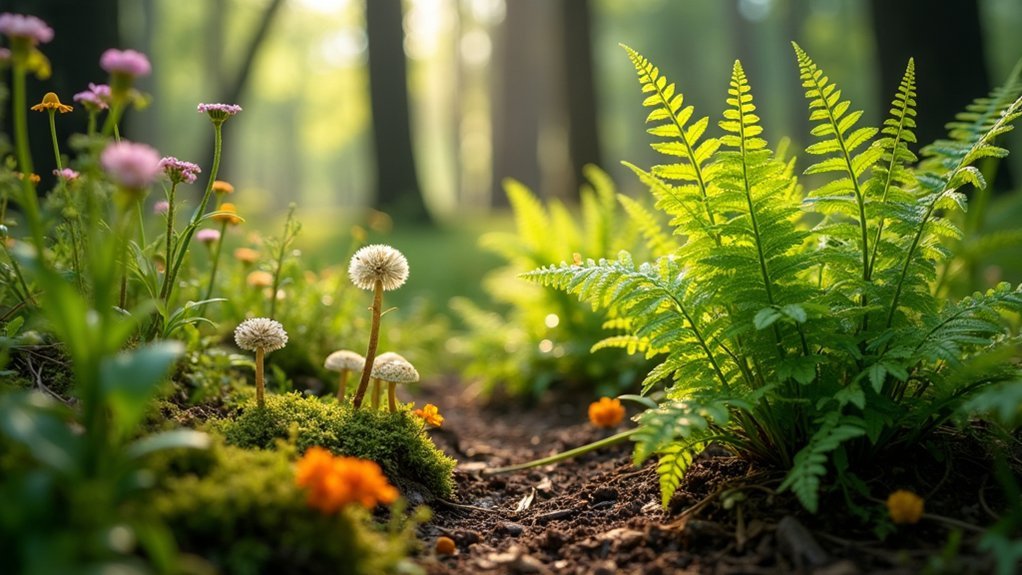
You'll face different regulations when harvesting wild plants depending on whether you're on federal, state, or private land.
Federal laws like the Endangered Species Act and Lacey Act provide stronger protections for certain plant species, while state laws typically offer minimal protections for plants on private property.
If you're planning to forage, you'll need to research local permit requirements and species-specific restrictions that may apply in your area. The Lacey Act specifically prohibits the transportation or sale of any plants harvested in violation of state or foreign laws across state or national boundaries.
Land Ownership Determines Rights
When it comes to harvesting wild plants, land ownership dictates who's legal rights to forage. Most private lands require explicit permission from the landowner before you can harvest anything, regardless of the plant species.
On public lands, you'll encounter a complex web of regulations. National parks, BLM lands, and national forests each maintain distinct harvesting rules, often requiring permits for specific plants. The USDA and other federal agencies oversee these regulations to guarantee sustainability. As of August 11, 2016, the U.S. Department of Interior allows plant gathering activities by federally recognized Tribes within national parks.
Some exceptions exist for indigenous communities, whose traditional harvesting rights are increasingly recognized through government-to-government agreements. These arrangements acknowledge the cultural significance of plant gathering while guaranteeing ecological protection.
Remember that environmental factors like pollution may render plants unsafe for consumption, even where harvesting is legally permitted.
Permit Systems Vary
Across the United States, maneuvering through the permit systems for wild plant harvesting requires understanding both state and federal regulations. The Lacey Act prohibits transporting plants taken illegally, while permit requirements vary considerably depending on location and species.
You'll need to navigate different frameworks when harvesting on public lands:
- Federal lands strictly prohibit removing endangered plants, with violations carrying severe penalties.
- Some national forests offer specific permits for harvesting American ginseng in designated areas.
- Scientific study of endangered species requires special authorization under Section 10 of the Endangered Species Act.
- Indigenous harvesting protocols emphasize sustainability and must be respected in relevant jurisdictions.
Remember that penalties for violating these regulations can be substantial, making proper permitting essential before you harvest.
Specific Species Protection
The landscape of specific species protection creates another layer of complexity beyond standard permit systems. When harvesting wild plants, you'll need to navigate both federal and state endangered species listings, which don't always align. The Endangered Species Act protects over 747 plant species federally, while states maintain their own lists with varying levels of protection.
Before gathering any plant, you must verify its status under both jurisdictions. Federal protections extend to subspecies and varieties, not just full species.
If you're harvesting on national park lands, you'll face stricter regulations requiring special permits, even for common species. Indigenous harvesters may access traditional gathering agreements that allow collection using sustainable practices, but these prohibit commercial use and require adherence to specific cultural protocols. These agreements specifically require that gathering be conducted by hand or hand tools without the use of powered equipment or machinery.
Permit Requirements for Urban Foraging
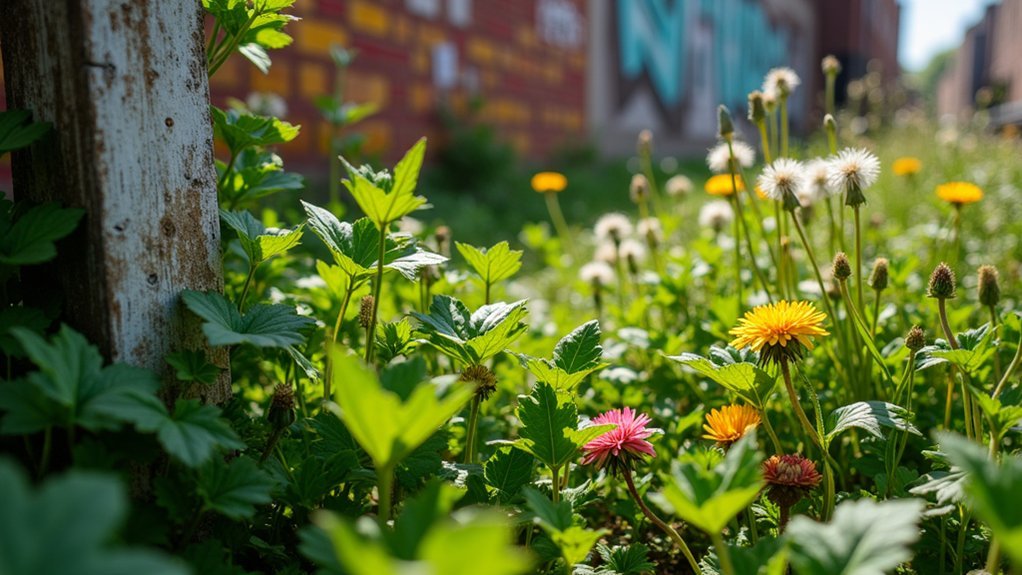
Urban foraging—the practice of gathering edible plants from city environments—often requires official permission from local authorities. Before collecting that tempting patch of dandelions or wild berries, you'll need to check your municipality's regulations. Many cities require specific permits and may charge fees for foraging privileges, particularly in public parks and green spaces. In some areas, gathering plants or flowers in parks is strictly prohibited and could be classified as injuring plants, which constitutes a misdemeanor offense.
- Stiff penalties await those who forage without proper authorization
- Cherished ecosystems remain protected through careful regulation
- Heartbreaking loss of traditional knowledge occurs when regulations are too restrictive
- Empowering communities happens when foraging rules balance conservation with cultural practices
When foraging in urban areas, always research local laws, respect protected species, and follow quantity limitations.
Remember that rules vary dramatically between cities—what's permitted in one park might be strictly forbidden just across city lines.
Liability Issues When Harvesting From Abandoned Land
When harvesting plants from seemingly abandoned land, you're still responsible for determining actual ownership to avoid trespassing charges and potential lawsuits.
You'll face significant legal risks if you mistake neglected property for truly abandoned land, as property rights remain intact even when owners aren't actively maintaining their land.
Your liability extends beyond simple trespassing to include any damage you cause to the property, neighboring lands, or protected species during your harvesting activities.
Determining Land Ownership
Steering through liability issues when foraging on abandoned land requires careful consideration of property rights and legal implications. Even abandoned properties have legal owners, whether individuals, corporations, or government entities.
Before harvesting, you'll need to conduct thorough research through county assessor records or property registries to identify the rightful owner.
- Frustration mounts when ownership records are outdated or unclear, leaving you in legal limbo.
- Relief washes over you when proper permission is secured, allowing worry-free harvesting.
- Anxiety builds when considering potential contamination from previous industrial use.
- Community pride emerges when working with neighbors to properly utilize forgotten spaces.
Using the Comparative Property Method to determine land ownership can be problematic as it often relies on historical data that may not accurately reflect current property status.
Without proper ownership verification, you risk trespassing charges and potential civil liability, regardless of how long the land appears abandoned.
Trespassing Legal Risks
Knowing who owns the land is only the first step—you must also understand the serious legal consequences of unauthorized harvesting.
When you trespass to collect wild plants, you're risking both civil and criminal penalties that vary by jurisdiction.
Trespassing can result in treble damages—three times the value of harvested resources—plus additional costs for investigation and land rehabilitation. These penalties apply whether you're on private property, public lands, or protected areas like national forests or reservations.
Government agencies actively enforce these laws, and property owners have every right to pursue legal action against you.
The Lacey Act specifically prohibits taking plants from protected areas without authorization. Even if you believe land is "abandoned," you're still legally liable for any unauthorized harvesting, and claiming ignorance won't protect you from these consequences. Under North Carolina law, unauthorized entry onto another's land to harvest plants is considered timber trespass and may result in liability for double the value of the removed materials.
Abandoned vs. Neglected
Many foragers mistakenly believe that abandoned land is free for harvesting, but true abandonment differs considerably from simple neglect in both legal and liability terms.
When you harvest from land that appears abandoned, you're potentially exposing yourself to trespassing charges, as ownership may still be active despite appearances.
Before harvesting on seemingly unattended property, consider these essential distinctions:
- You could be legally responsible for any environmental damage caused during your foraging activities.
- Landowners may hold you liable for disturbing natural regeneration processes that were intentionally established.
- Property that appears neglected might actually be under careful management for native species revival.
- Your presence might disrupt ecological connectivity efforts designed to enhance wildlife habitats.
Always verify ownership before harvesting—what looks abandoned might actually be healing.
What appears to be abandoned farmland may actually be undergoing a slow natural revegetation process that begins with pioneer species like Russian thistle and eventually transitions to native shrubs and grasses.
Indigenous Rights to Traditional Plant Resources
Throughout generations, Indigenous Peoples have cultivated profound relationships with plants that extend far beyond mere resource collection. Their traditional knowledge encompasses medicinal properties, sustainable harvesting methods, and spiritual connections that are integral to their cultural identity.
The sacred knowledge of plants carries ancestral wisdom, connecting Indigenous Peoples to land, healing, and identity through generations.
When you forage in areas with Indigenous history, you're entering landscapes shaped by centuries of traditional stewardship. Indigenous communities face ongoing challenges from biopiracy, where companies patent traditional plant knowledge without consent or compensation. Current intellectual property laws often fail to protect these communities' rights.
International agreements like the UN Declaration on the Rights of Indigenous Peoples advocate for Free, Prior, and Informed Consent when accessing traditional resources. The rich collection of 44,691 plant uses documented in the Native American Ethnobotany Database demonstrates the extensive knowledge developed by Indigenous communities.
You can support Indigenous rights by acknowledging their contributions to plant knowledge and respecting their authority over traditional resources in their territories.
Trespassing Considerations for Urban Foragers
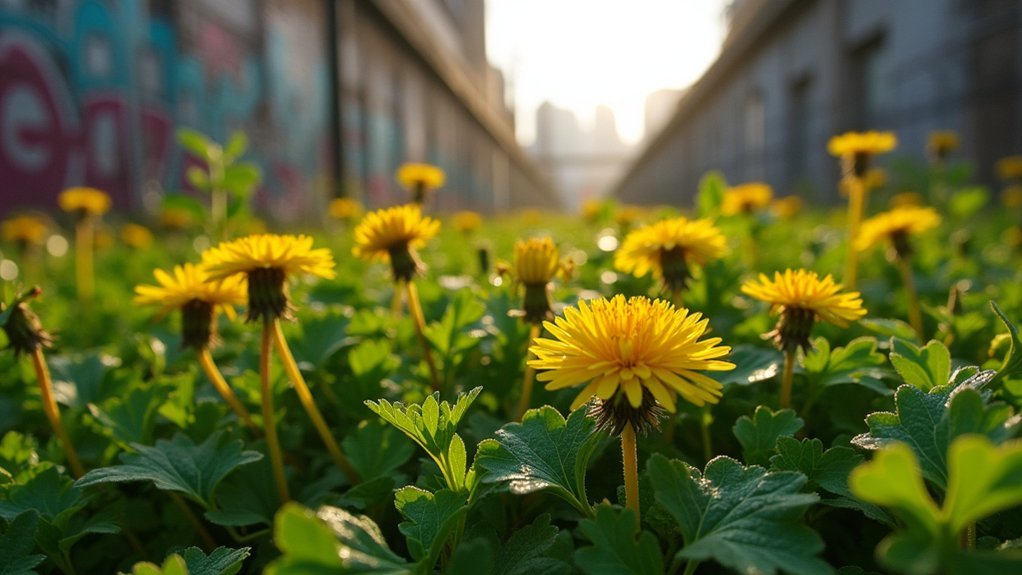
Beyond the complexities of Indigenous plant relationships, urban foragers face a different set of legal challenges. When harvesting plants in cities or suburbs, understanding property boundaries becomes essential to avoid trespassing violations.
While public lands like parks typically allow foraging, private property requires explicit permission from owners. Many wild plants with edible or medicinal properties can be found in urban environments if you know where to look.
Tools like FallingFruit.org can help identify legal foraging locations, but remember that regulations vary by location.
Before collecting:
- Imagine the disappointment of discovering your favorite berry patch sits on private property where you're unwelcome
- Consider the anxiety of potential fines or legal trouble from unintentional trespassing
- Feel the community connection when neighbors gladly share their abundance
- Experience the relief of knowing you're harvesting safely and legally
Building relationships with property owners often opens doors to abundant urban harvests while respecting legal boundaries.
Differentiating Between Public and Private Plant Resources
Understanding the distinction between public and private plant resources forms the foundation of ethical wild harvesting.
On public lands managed by agencies like the BLM and Forest Service, you'll typically need permits before collecting plants. These permits are often affordable—sometimes just $20—and come with guidelines to guarantee sustainable harvesting. The USDA provides valuable transport guidance for plants collected across significant distances.
Private lands, however, require explicit permission from landowners before you harvest anything. These areas may have conservation easements that protect biodiversity while allowing controlled access for activities like foraging.
Be aware that private properties might contain pollutants like herbicides that could compromise plant safety.
For both public and private lands, remember that certain native and rare species are protected.
Always properly identify plants and practice selective collection to maintain ecological balance in the areas you harvest from.
Navigating Contested Ownership Claims of Wild Plants
When ownership claims over wild plants overlap, you're entering a complex legal and ethical landscape that requires careful maneuvering. Contested claims often involve multiple stakeholders—government entities, private landowners, Indigenous nations, and conservation organizations.
Understanding the legal framework is essential. The criteria for adverse possession won't apply to government lands, and Indigenous claims are protected by specific federal laws like the Nonintercourse Act. Properties owned by political subdivisions may be subject to adverse possession claims unless they are being used for public purposes.
If you're harvesting in disputed areas, you could unknowingly become entangled in longstanding legal battles.
- The heartbreak of discovering your favorite foraging spot is subject to an ownership dispute
- The frustration of maneuvering contradictory rules from competing authorities
- The anxiety of potential legal consequences for innocent harvesting activities
- The disappointment when access to traditional gathering places is suddenly restricted
Always research land status before harvesting to avoid these complications.
Legal Consequences of Unauthorized Plant Collection
The legal consequences of unauthorized plant collection can severely impact your life, finances, and freedom if you gather plants without proper permission. Both federal and state laws, including the Lacey Act, impose strict penalties that don't just apply to endangered species. Research writing helps develop critical thinking skills necessary for understanding complex legal regulations surrounding plant harvesting.
| Violation Type | Potential Consequences | Documentation Needed |
|---|---|---|
| Misdemeanor | Up to 1 year in jail, fines | Collection permits |
| Felony | Up to 5 years imprisonment | Chain-of-custody records |
| Civil | Fines up to $10,000 per violation | Proper authorizations |
You're responsible for exercising "due care" when collecting or purchasing plants. This means you must verify legality before collection, be aware of risk factors like suspiciously low prices, and maintain proper documentation. Even violations of foreign plant protection laws can trigger domestic penalties under the Lacey Act.
Community Garden Guidelines for Wild Plant Harvesting
Beyond legal concerns for wild plant harvesting, community gardens offer structured environments with specific guidelines for plant collection. When participating in a community garden, you'll need to understand the boundaries between cultivated plots and wild areas nearby.
Community gardens provide a framework for responsible harvesting, where clear boundaries and shared guidelines protect both cultivated and wild plants.
- Respect others' plots – Never harvest from someone else's assigned space without explicit permission, even if plants appear wild.
- Manage invasive species properly – You're responsible for removing prohibited plants like blackberry, bamboo, and ivy.
- Use only organic practices when dealing with wild plants that encroach on garden spaces.
- Participate in educational workshops to learn proper identification of both desirable and unwanted wild plants.
To ensure sustainability and prevent ecological imbalance, avoid taking too much from a single area when harvesting wild plants within community garden boundaries.
Remember to check with your garden's core team about specific policies regarding wild plants growing within or adjacent to community spaces.
Frequently Asked Questions
Can I Sell Plants Harvested From My Own Property?
Yes, you can sell plants harvested from your own property, but you'll need to guarantee they're not endangered species. Always check local regulations as requirements vary by state and may require permits for certain plants.
Do Wild Plant Ownership Laws Differ Internationally?
Yes, wild plant ownership laws vary dramatically worldwide. You'll find different rules based on public/private land ownership, state property rights, customary laws, and regional frameworks like CITES or national legislation like the Lacey Act.
Are There Harvesting Restrictions During Specific Seasons?
Yes, you'll encounter seasonal restrictions for wild plant harvesting. These vary by species, local regulations, and ecological considerations. Always check current rules, as they're designed to protect plant reproduction cycles and ecosystem health.
How Do Easement Rights Affect Wild Plant Collection?
Easement rights can limit your ability to harvest wild plants. You'll need permission from the easement holder, as collection must align with conservation goals and avoid damaging protected habitats or species.
Can Homeowner Associations Restrict Wild Plant Harvesting?
Yes, HOAs can restrict wild plant harvesting through their bylaws. You'll need to check your specific HOA regulations, though recent state laws may offer exceptions for native plants and sustainable practices.
In Summary
When harvesting wild plants, you'll need to understand multiple layers of ownership rights. Check local regulations before foraging on public land, always get permission on private property, and consider applying for permits when required. Don't assume abandoned land means free access. By respecting property boundaries and following harvesting laws, you'll avoid legal consequences while enjoying the bounty nature provides.




Leave a Reply