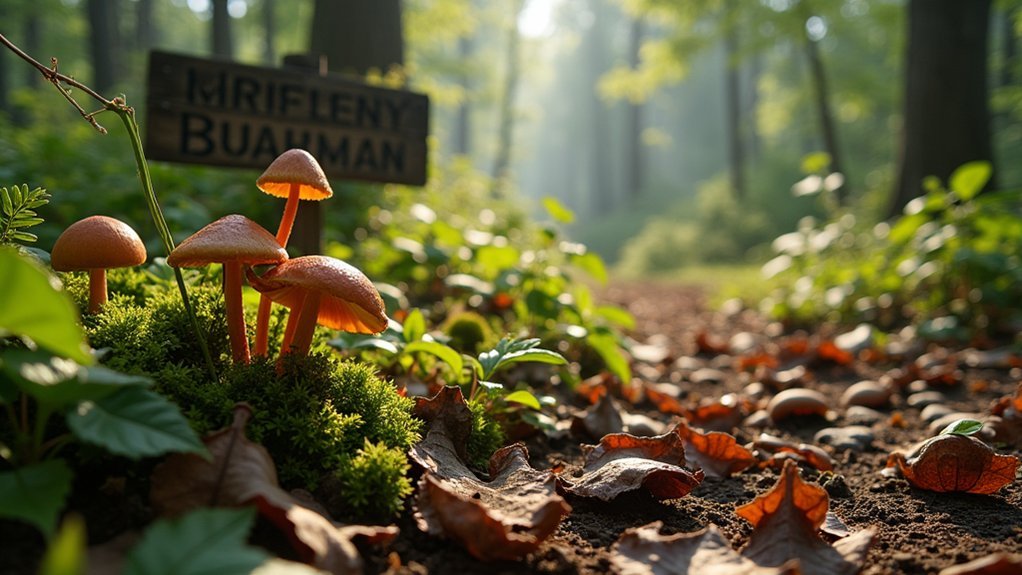
Property owners face seven key foraging liabilities: understanding duty of care based on visitor status (invitee, licensee, or trespasser), managing toxic plants, addressing environmental contamination risks, utilizing recreational use statute protections, steering through fee implications, maintaining regular inspections, and implementing appropriate liability waivers and signage. Your legal exposure varies dramatically depending on whether you charge access fees and how you manage potential hazards. These essential considerations will help you protect both your visitors and your property interests.
Understanding Your Duty Of Care To Wild Food Foragers

When wild food enthusiasts venture onto your property in search of edible treasures, they bring with them a complex web of legal responsibilities that fall squarely on your shoulders.
Your duty of care varies greatly depending on whether foragers are invited guests, permitted visitors, or trespassers.
The legal protection you owe foragers shifts dramatically based on their status—invited, permitted, or uninvited—on your property.
You're legally required to maintain safe conditions and provide adequate warnings about potential hazards that aren't immediately obvious. This includes dangerous plants, unstable terrain, or wildlife risks specifically related to foraging activities. Property owners should be especially vigilant about attractive nuisances that might draw in children looking for berries or mushrooms.
Failure to meet these obligations could result in premises liability lawsuits if someone gets injured.
Remember to secure proper permissions and permits before allowing foraging on your land.
Regular property inspections and clear signage marking dangerous areas aren't just good practices—they're essential safeguards against legal and financial consequences.
Trespasser vs. Invitee: How Permission Changes Liability
The legal status of foragers on your property fundamentally shapes your liability exposure. When someone enters your land to collect wild foods, their classification as an invitee, licensee, or trespasser determines your legal obligations.
| Visitor Type | Permission | Your Duty | Liability Risk |
|---|---|---|---|
| Invitee | Explicit | Inspect and correct hazards | Highest |
| Licensee | Implied | Warn of known dangers | Moderate |
| Trespasser | None | Avoid intentional harm | Minimal |
| Child Trespasser | None | Greater protection | Elevated |
You'll face the greatest liability with invited foragers, as you must actively guarantee safe conditions. Property owners should note that only invitees require them to conduct routine risk assessments before visits. For trespassers without permission, your liability substantially decreases—though posting "No Trespassing" signs strengthens your position by clearly establishing their unauthorized status.
Toxic Plant Liability And Warning Requirements

Property owners face significant legal exposure when toxic plants grow on their land, especially when foragers may encounter them. Environmental regulations like CERCLA and RCRA impose strict liability for hazardous substances, regardless of your negligence.
You're legally required to maintain safe premises, which includes managing toxic plants through clear signage and visitor education. Your duty varies depending on visitor status (invitee, licensee, or trespasser), but the attractive nuisance doctrine may still apply to children drawn to dangerous plants.
To protect yourself, document all management efforts, consider removing highly toxic species, and utilize identification resources like extension offices or specialized services. Multiple parties, including property owners and management companies, may be held liable for injuries resulting from toxic plant exposure.
Remember that both state and federal compliance is necessary, as strict liability claims don't require proof of negligence when substances are inherently dangerous.
When Recreational Use Statutes Protect Property Owners
If you're a property owner, recreational use statutes can shield you from liability when people forage on your land without paying an access fee.
These protections generally apply only when you don't charge admission and aren't engaging in commercial activity related to the foraging.
You'll lose this statutory protection if you act willfully or maliciously toward foragers or knowingly fail to warn them about non-obvious dangerous conditions on your property.
The attractive nuisance doctrine may still apply if your property contains features that are attractive to children and could cause them injury while foraging.
When Recreational Use Statutes Protect Property Owners
Recreational use statutes provide vital liability shields for property owners who open their land to the public for activities like foraging, hiking, or other recreational pursuits. These protections apply when you allow access without charging admission fees and don't intentionally conceal dangerous conditions. All fifty states have enacted some version of these protective statutes designed to promote public access to private lands.
| Protection Applies When You: | Protection Doesn't Apply When You: |
|---|---|
| Allow free public access | Charge admission fees |
| Make no special invitations | Explicitly invite specific users |
| Don't maliciously hide dangers | Intentionally conceal hazards |
| Maintain normal property condition | Create attractive nuisances |
You're generally not required to maintain your property for recreational users or warn them about existing hazards. However, these protections vary by state, so it's important to understand your local statutes before opening your land for public foraging activities.
No-Charge Access Requirements
While many property owners appreciate the protection recreational use statutes provide, these shields typically depend on your willingness to offer access without charging fees.
Most statutes only protect you when recreational activities on your land are free to the public.
Some states do permit minimal charges, such as annual fees not exceeding twenty times your property taxes. However, charging beyond these limits can invalidate your liability protection.
To maximize protection under these statutes, consider posting clear signage indicating your property is open for recreational use. This establishes your intent to allow public access while maintaining statutory protection.
Remember that the protection applies to various recreational activities like hiking, fishing, and foraging, but typically excludes commercial uses or activities like outdoor weddings.
The definition of "owner" under most state laws extends beyond just title holders to include lessees and occupants who have control over the property.
Exemptions for Willful Misconduct
Although recreational use statutes offer substantial protection to property owners, they don't provide blanket immunity in all situations.
You'll lose statutory protection if you engage in willful or malicious conduct by deliberately failing to warn against dangerous conditions on your property.
Your immunity also disappears when you expressly invite people onto your land or charge fees for recreational access. Courts won't protect you if you knowingly refuse to address hazardous conditions that cause injury to foragers.
The attractive nuisance doctrine may still apply despite recreational use statutes, particularly if children are drawn to dangerous features on your property.
Remember that intentionally harmful actions or reckless behavior automatically negates any immunity you might otherwise enjoy.
Posting adequate warning signs about potential hazards is essential to maintaining your legal protection. California's Civil Code section 846 was specifically enacted to encourage landowners to allow public recreational access without fear of liability.
Charging For Foraging Access: Legal Implications
When property owners consider charging for foraging access, they enter a complex legal landscape that varies dramatically across jurisdictions. You'll need to navigate federal, state, and local regulations that may permit or prohibit foraging activities on your land.
If you own private property, you generally have the right to control access and charge fees. However, you must guarantee your permitting system doesn't violate local ordinances.
Be aware that charging for access doesn't eliminate your potential liability—injuries sustained by foragers could still result in claims against you.
Consider the historical context of anti-foraging laws, which have roots in discrimination. By implementing an equitable fee structure, you can address these concerns while managing environmental impact and creating a new revenue stream.
Even in states where foraging is generally permitted, regulations vary widely with some states like Arkansas and California prohibiting foraging on state lands completely.
Always consult legal counsel before establishing a paid foraging program.
Environmental Contamination Risks When Allowing Foraging
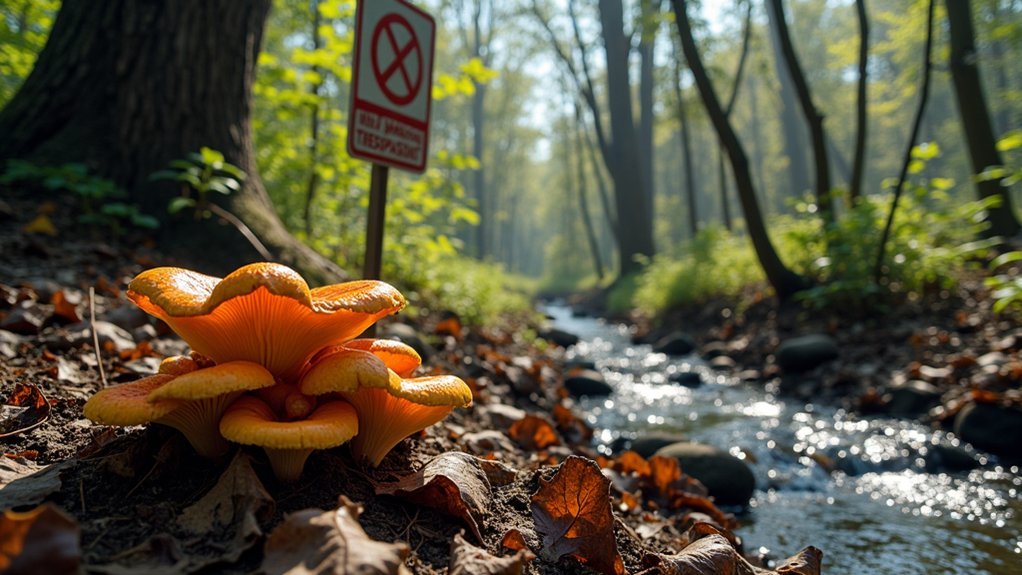
If you allow foraging on your property, environmental contamination represents a significant liability concern that shouldn't be overlooked.
Your land might harbor industrial pollutants, agricultural chemicals, or urban contaminants that foragers could unknowingly ingest, potentially leading to health issues for which you could face liability.
Many properties contain hidden toxins that, if consumed through foraged foods, create serious liability risks for landowners.
Consider these critical exposure points:
- Historic contamination – Prior land uses may have left heavy metals or chemicals in your soil that plants can absorb, creating hidden dangers even in seemingly pristine areas.
- Neighboring pollution – Runoff from adjacent properties, including pesticides, fertilizers, and industrial waste, can migrate to your land. Proper plant identification is essential as misidentification combined with contamination can lead to serious consequences for foragers.
- Treatment liability – If you've applied chemicals to your property, you're responsible for disclosing these treatments to foragers who might consume affected plants.
Limiting Liability Through Waivers And Signage
Property owners concerned about foraging liability can implement several protective measures to greatly reduce their risk exposure. Well-crafted waivers require foragers to acknowledge risks before entering your property, though they won't protect you from gross negligence claims. Taking detailed pictures beforehand of your property can help document its condition to refute potential fraudulent damage claims.
Clear, visible signage serves as both a warning system and evidence that you've fulfilled your duty to inform visitors of potential hazards.
| Protection Method | Key Benefits | Limitations |
|---|---|---|
| Liability Waivers | Documents consent | Not valid for gross negligence |
| Warning Signs | Fulfills duty to warn | Must be clearly visible |
| Written Rules | Clarifies expectations | Requires consistent enforcement |
| Regular Inspections | Identifies hazards | Must address found issues |
| Insurance Coverage | Financial protection | Check for foraging exclusions |
Remember to customize your approach based on your jurisdiction's specific requirements, as enforceability varies by location.
Frequently Asked Questions
Am I Liable if Foragers Get Sick From Naturally Occurring Plant Toxins?
You're typically not liable if foragers get sick from naturally occurring plant toxins on your property, unless you willfully allowed dangerous conditions or charged a fee for access to your land.
How Does Homeowner's Insurance Cover Foraging-Related Incidents?
Your homeowner's insurance typically covers personal foraging incidents on your property but excludes commercial activities. It's limited for liability claims and may not protect you if foragers get sick from plants you've misidentified.
Can I Revoke Foraging Permission Once It's Been Granted?
Yes, you can revoke foraging permission at any time unless you've signed a contract specifying otherwise. Just communicate your decision clearly to foragers and maintain records of both the permission and its revocation.
Do Different Liability Rules Apply to Mushroom Foraging Versus Plant Harvesting?
Yes, you'll face different liability rules for mushroom foraging versus plant harvesting. Mushrooms often fall under recreational use statutes, while plant harvesting may involve crop damage regulations and species-specific protection laws.
Are Children Foraging With Parents Treated Differently Under Liability Laws?
When children forage with you, you're generally liable for their actions. While supervising reduces risks, you'll still face responsibility under parental liability laws if your child damages property or gets injured while foraging.
In Summary
You've now seen how your property rights intersect with wild food foragers' activities. Remember, your liability changes dramatically based on whether you've given permission, charged fees, or posted warnings. Don't overlook contamination risks or toxic plant hazards on your land. By understanding these seven legal considerations and implementing proper waivers and signage, you'll protect yourself while making informed decisions about allowing foraging on your property.




Leave a Reply