
You can share a variety of items from your urban garden including seasonal vegetables (carrots, peppers, zucchini), fruits, herbs, and edible flowers. Preserve surplus through canning, freezing, or dehydrating for year-round sharing. Donate excess to food banks or organize neighborhood exchanges with seasonal harvest calendars. Consider legal requirements for food distribution in your area and use digital platforms to coordinate exchanges. The community connections you'll build through garden sharing extend far beyond the produce itself.
What Can You Share From Your Urban Garden?
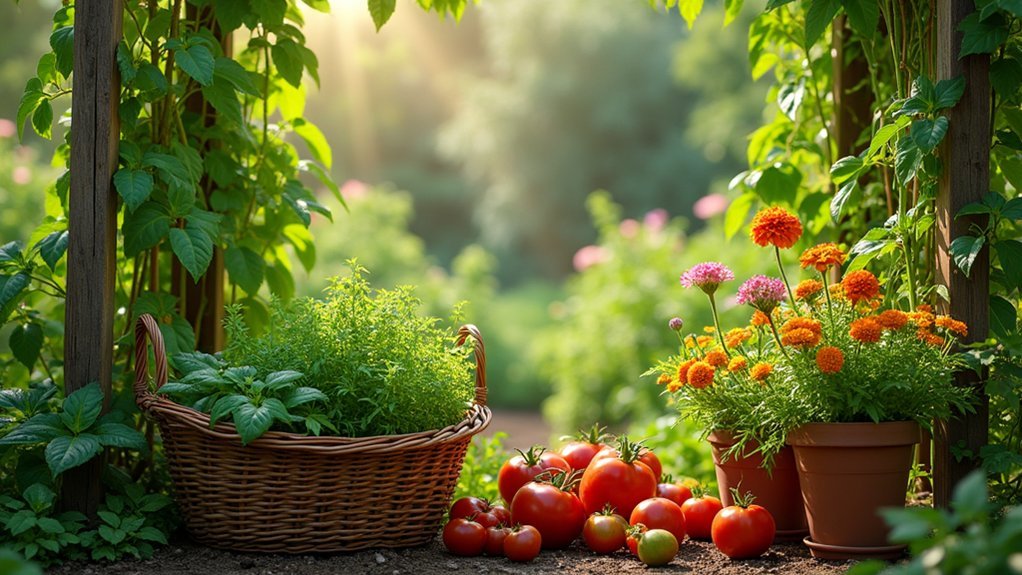
Why limit the bounty of your urban garden to just your kitchen? Your harvest can nourish both your community and social connections.
Consider donating excess produce to local food banks, helping those experiencing food insecurity while preventing waste. The Sharing Gardens model demonstrates how such initiatives generated an estimated $9,950 in value of donated produce in just one year.
You've gained valuable gardening expertise—share it! Organize workshops where neighbors can learn planting techniques, pest management, and sustainable practices.
These gatherings strengthen community bonds while expanding local gardening knowledge.
Don't let tools sit idle. Create a community tool library where gardeners can borrow equipment, reducing individual costs and environmental impact.
Host garden-based events like harvest celebrations or seed exchanges to bring people together.
These gatherings transform your garden into a vibrant social hub where relationships flourish alongside your plants.
Seasonal Vegetables That Travel Well
When planning your urban garden's harvest for sharing, transportation durability becomes essential. Different seasons offer various vegetables that can withstand the journey from your garden to your friends' kitchens.
| Season | Vegetables | Storage Tips |
|---|---|---|
| Spring | Asparagus, Radishes, Spinach | Cool before packing |
| Summer | Bell Peppers, Zucchini, Cucumbers | Handle gently to prevent bruising |
| Fall | Sweet Potatoes, Brussels Sprouts | Store in breathable containers |
| Winter | Parsnips, Turnips, Cabbage | Keep dry to prevent spoilage |
| Year-round | Carrots, Potatoes | Package individually for protection |
Choose sturdy varieties known for their durability. You'll maximize the sharing potential of your urban garden by selecting seasonal vegetables that maintain their freshness and quality during transport. This approach also reduces your environmental impact by focusing on locally grown, seasonal produce. Sharing your harvest can be an enjoyable way to introduce friends and family to new seasonal ingredients they might not typically purchase.
Fruit Harvesting and Distribution Timing
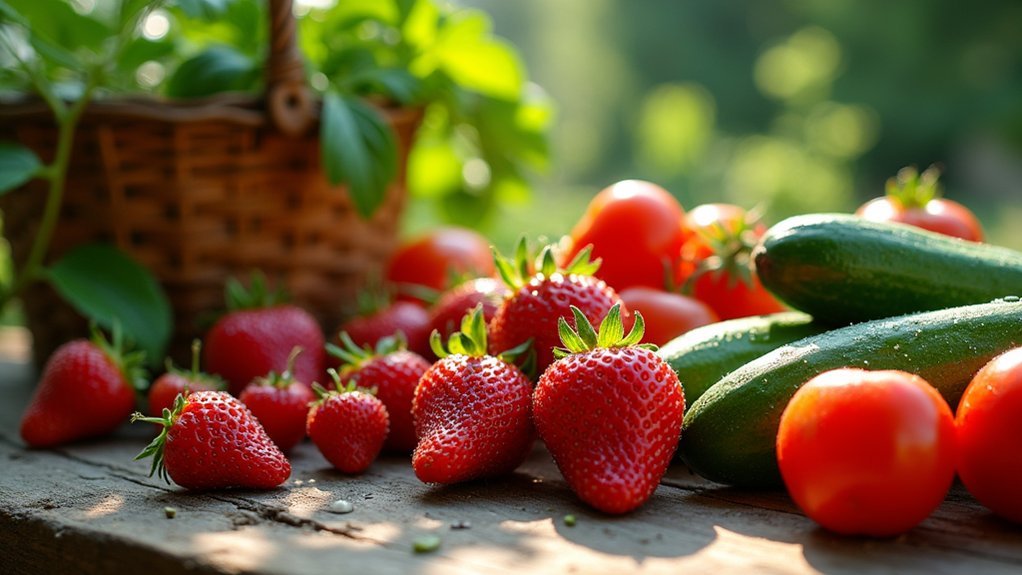
Timing your fruit harvests precisely can dramatically improve both the flavor and longevity of your urban garden's bounty. Different varieties require specialized attention—apples may mature over months while berries need daily checking.
The art of harvest timing transforms ordinary backyard fruits into extraordinary culinary treasures worth savoring.
Watch for visual cues and check ripeness through gentle pressure tests to determine the perfect moment. For apples, observe the change from light green seeds to brown ones as a reliable indicator of ripeness.
- Use ethylene production to your advantage by separating ripening fruits from others
- Adjust your harvest schedule during weather fluctuations (heat speeds ripening)
- Harvest in the cool morning hours to extend shelf life
- Plan distribution around your fruit's specific durability—apples travel well, berries don't
- Implement proper cooling immediately after harvest to maintain quality
Remember to regularly inspect fruits during storage and coordinate community distribution when your harvest peaks to minimize waste.
Herbs and Edible Flowers for Community Kitchens
Cultivating herbs and edible flowers offers urban gardeners a unique opportunity to transform community kitchens with vibrant flavors, colors, and nutritional benefits.
These versatile ingredients are perfect for small spaces yet deliver impressive results in communal cooking.
You'll find nasturtiums and calendula add bright splashes to salads, while chive blossoms bring delicate onion flavor to dishes.
Lavender and borage can elevate desserts and beverages with distinctive floral notes.
Beyond aesthetics, these plants pack significant nutritional punch—providing antioxidants, immune support, and digestive benefits.
Let your herbs flower occasionally to attract beneficial pollinators to your garden.
Consider hosting workshops where neighbors can learn to make herb-infused oils, garnish dishes with edible flowers, or blend custom tea mixes—creating both culinary delights and community connections.
For easy reference, create a list of culinary herbs with edible flowers and post it inside your kitchen cupboard to inspire creative cooking with garden harvests.
Preserving Methods for Garden Surplus
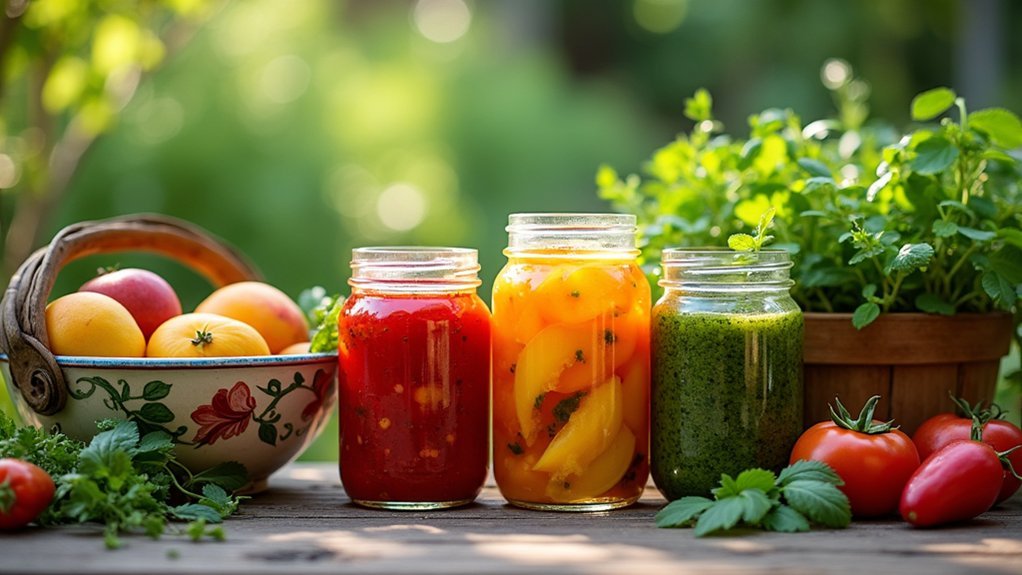
Urban gardens often produce more bounty than you can consume fresh, making preservation skills as valuable as growing techniques.
You'll find traditional methods like canning and freezing are perfect for extending your harvest's life, while dehydrating creates portable, shelf-stable snacks from fruits and vegetables.
Consider these practical preservation approaches:
- Set up a small-scale root cellar in a cool basement corner for storing potatoes and root vegetables
- Learn basic fermenting techniques to transform cabbage into sauerkraut or cucumbers into pickles
- Practice selective harvesting to guarantee continuous production throughout the growing season
- Collect rainwater and implement drip irrigation to maximize water conservation
- Share excess produce through community gardens or local food banks to strengthen neighborhood connections
Water your preserved garden items during the cool of day, which helps maximize efficiency and minimizes waste when cleaning produce before storage.
Safe Handling Practices for Shared Produce
When sharing the bounty from your urban garden, proper handling becomes essential to prevent foodborne illness and secure everyone enjoys safe, healthy produce.
Always wash your hands thoroughly before handling vegetables and fruits. Rinse produce under running water—never use soap or bleach—and dry with clean paper towels.
Maintain separate cutting boards for produce to prevent cross-contamination. Cut or peeled items should be refrigerated within two hours.
When distributing your harvest, use clean, sanitized containers and transport covered to protect from contaminants.
Store whole produce in breathable containers in cool, dry environments, keeping them separate from raw meat and dairy. This is especially important for high-risk groups including pregnant women, young children, elderly, and immunocompromised individuals.
Regularly inspect stored items for spoilage, removing damaged sections promptly.
Remember to inform recipients about proper handling practices to secure safety throughout the sharing process.
Creating a Neighborhood Harvest Calendar
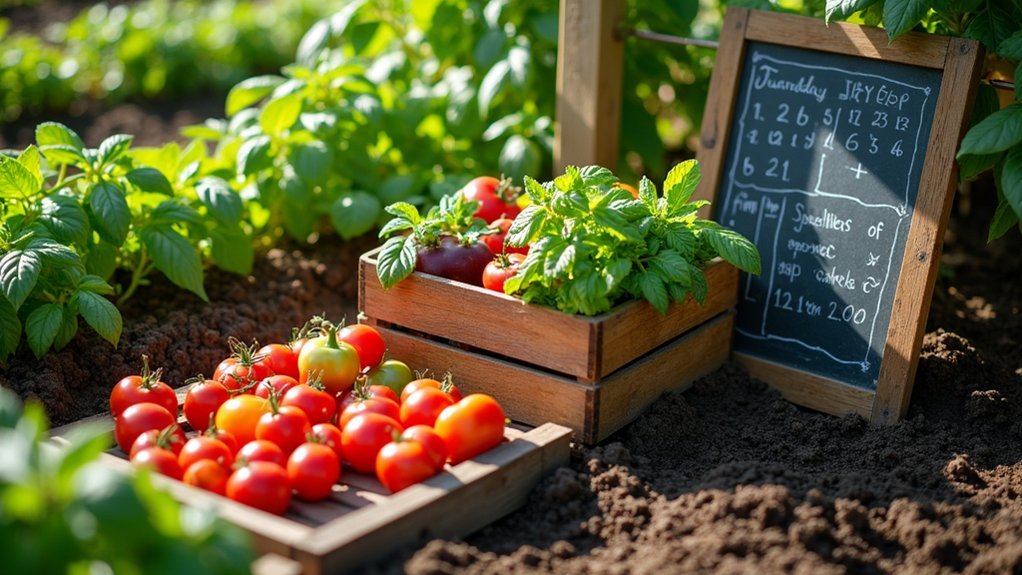
Creating a neighborhood harvest calendar allows you to identify seasonal sharing opportunities throughout the year, ensuring everyone benefits from the garden's bounty.
You'll want to track when different crops mature and organize specific days for community members to gather and exchange produce. Similar to how Coastal Virginia residents benefit from beyond organic produce delivered to their homes, neighborhood gardens provide local, sustainable food options.
Setting up a simple community exchange system, whether through a physical location or digital platform, helps distribute surplus harvests and prevents waste while strengthening neighborhood connections.
Seasonal Sharing Opportunities
Developing a neighborhood harvest calendar transforms individual gardening efforts into community-wide collaboration. By mapping out planting times specific to your region's climate, you'll maximize yields and create opportunities for regular produce exchanges.
Partner with local farmers to expand your offerings and implement systems for sharing excess bounty with neighbors or donating to food banks. Monthly meetings can strengthen coordination and ensure consistent participation in your garden sustainability efforts.
- Organize seasonal harvest festivals that celebrate community-grown produce
- Create online platforms for coordinating neighborhood crop swaps
- Establish recurring order systems to help local producers plan effectively
- Offer prepared meals using seasonal ingredients at community gatherings
- Connect with food banks to distribute surplus produce to those in need
These strategies reduce food miles, support sustainability, and strengthen community bonds while ensuring no homegrown goodness goes to waste.
Community Exchange System
A well-structured neighborhood harvest calendar forms the backbone of any successful community exchange system. By mapping out seasonal harvests and community events, you'll create a framework for sustainable sharing throughout the year.
Your calendar helps coordinate activities, guarantees everyone knows when swap meets occur, and maximizes participation. Schedule monthly gatherings to maintain momentum and build stronger neighborhood connections—communities that garden together experience improved social cohesion and reduced crime rates. Integrating plant exchanges into these regular gatherings provides an excellent opportunity for residents to connect while acquiring new plants without additional costs.
| Season | Community Activities | What to Exchange |
|---|---|---|
| Spring | Seedling swaps, tool sharing | Plant starts, gardening knowledge |
| Summer | Weekly harvest exchanges | Fresh produce, herbs, flowers |
| Fall | Preservation workshops | Canned goods, seeds, compost |
Include digital versions of your calendar to reach tech-savvy neighbors and integrate open-source practices for collaborative learning across communities.
Container-Grown Foods for Easy Exchange
Container-grown foods offer an ingenious solution for urban gardeners who wish to participate in neighborhood food exchanges.
You'll find that portable pots and planters enable year-round production while maximizing limited space. Even without a yard, you can cultivate a diverse harvest to share with others. Small container gardens can yield impressive results, with some urban gardeners producing up to 83.4kg of food in a single year.
- Quick-Growing Options: Lettuce, radishes, and herbs provide frequent harvests for regular exchanges
- Fruit Varieties: Strawberries, dwarf blueberries, and raspberries thrive in larger containers
- Bird-Friendly Choices: Sunflowers and coneflowers attract urban wildlife while providing shareable seeds
- Space-Saving Techniques: Self-watering planters reduce maintenance and increase production
- Mobility Advantage: Move containers to optimize sunlight or bring plants inside during harsh weather
Choose deeper containers for root vegetables and larger pots for fruiting plants to maximize your shareable bounty.
Setting Up a Garden Produce Swap Station
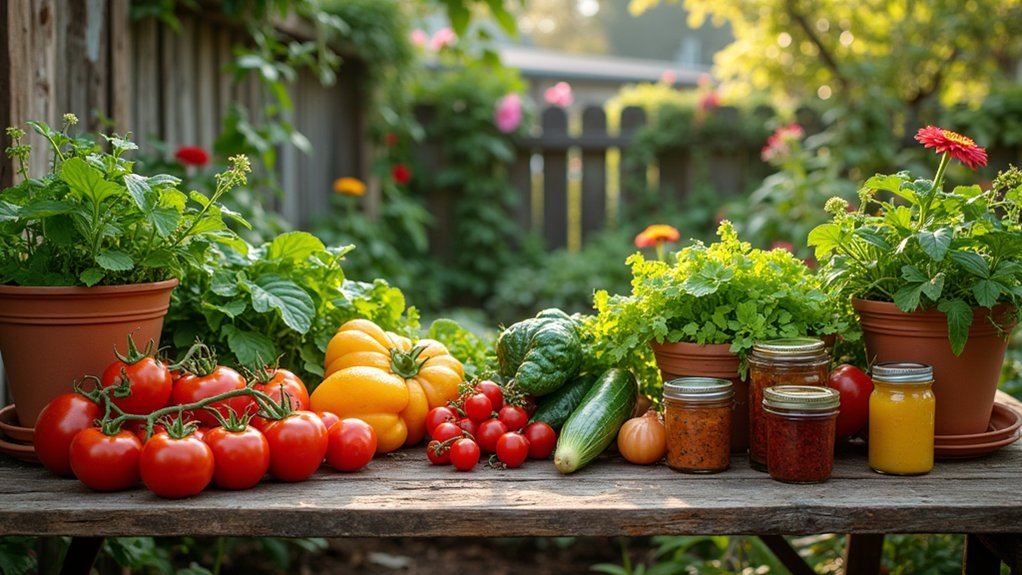
Setting up a thriving garden produce swap station requires five essential elements: location, guidelines, promotion, organization, and community engagement.
Choose visible, accessible spaces like parks or community gardens, ensuring you've obtained proper permissions. Churches and local businesses often donate space for community events.
Public spaces make ideal swap stations when secured with proper permissions and community support.
Establish clear guidelines about what can be swapped—produce, seeds, or tools—and how items should be prepared. Set reasonable quantity limits to keep exchanges fair.
Promote your swap through social media, local flyers, and partnerships with gardening groups. Use relevant hashtags and be specific about timing.
Organize the swap process with a simple system for matching offers and requests. You can facilitate both online and in-person exchanges to maximize participation. Bring clearly labeled plant containers so recipients know exactly what they're taking home.
These swaps reduce food waste, save money, and build meaningful connections within your community.
Labeling and Packaging Shared Garden Goods
Once your produce swap station is operational, proper labeling and packaging transform simple exchanges into professional, organized interactions. Choose sustainable materials like compostable containers or reusable produce bags that reflect your garden's eco-friendly nature. Create clear labels that identify the item, harvest date, and growing methods used.
- DIY plant markers from recycled materials add personality while staying budget-friendly.
- Waterproof labels prevent information loss during transport or storage.
- Consider adding QR codes linking to recipes for unusual varieties.
- Use packaging that doubles as seedling containers for the next growing season.
- Include your contact information to build community connections.
For regular swaps, investing in custom labels with your garden's logo creates brand recognition among neighbors and strengthens your local gardening community. Using yellow produce bags for microgreens can significantly enhance their shelf life compared to standard clear bags.
Legal Considerations for Community Food Sharing
Before sharing your garden's bounty, you'll need to understand your city's permit requirements for public food distribution and how state laws may limit your liability.
You should research whether your community has NIMBY-driven restrictions on food sharing that might impact your plans.
Consider obtaining proper insurance coverage to protect yourself while participating in community food sharing initiatives, especially during pandemic conditions. Food sharing initiatives help fill empty stomachs and build trust among neighbors during these challenging times.
Know Your Local Regulations
Understanding your city's zoning laws and regulations is essential before starting any urban garden project, especially if you're planning to share produce with your community.
Before you begin distributing homegrown vegetables to neighbors, check local health codes and sharing restrictions that might apply.
- Check if your residential zone permits gardening and food distribution
- Review HOA covenants that might restrict food production activities
- Research local health standards for shared or sold produce
- Look for urban agriculture overlay districts that may offer special permissions
- Consider digital food-sharing platforms that comply with local governance
Many cities are adopting policies to support urban agriculture with minimal barriers, but it's your responsibility to verify compliance.
Some municipalities even override restrictive covenants to promote community gardening, making it easier for you to participate in local food sharing.
If you're a renter, look for cities with laws that explicitly recognize gardening as a permitted use in all residential settings, including manufactured home parks and multi-family housing.
Liability and Insurance Needs
When sharing the bounty of your urban garden with neighbors or the community, you'll need appropriate insurance coverage to protect yourself from potential legal issues.
Consider investing in general liability insurance to safeguard against claims of property damage or personal injury that might arise from your shared produce.
Understand that the Good Samaritan Act offers limited protection for food donated to non-profit organizations, but doesn't cover direct donations to individuals.
Check your state's specific food donation laws, as some provide stronger protections than federal regulations.
For larger community initiatives, explore specialized coverage options like property insurance for equipment and inland marine coverage for movable assets.
Programs like FLIP offer accessible and affordable coverage starting at just $299 annually, designed specifically for food vendors and sharing initiatives.
Clear contractual agreements that outline liability responsibilities can further protect you while maintaining your commitment to community food sharing.
Forming a Neighborhood Garden Collective
Transforming an empty lot into a thriving community garden requires more than just seeds and soil—it demands thoughtful organization and collective effort.
You'll need to build a dedicated team, establish formal governance, and address legal considerations like liability insurance before breaking ground.
- Recruit passionate neighbors through community meetings and social media outreach
- Create a structured committee with defined roles (president, treasurer, secretary)
- Implement monthly meetings and clear communication channels
- Design at least 15 plots to guarantee sustainability and community investment
- Secure proper land agreements and set up plot fee systems to cover water bills
Remember to involve community members in the planning phase—this early engagement fosters ownership and guarantees the garden reflects everyone's needs, making it truly communal.
Digital Platforms for Coordinating Food Exchanges
How can technology transform your community garden's excess produce into shared abundance? Apps like OLIO and TooGoodToGo offer simple solutions to connect your surplus harvests with neighbors who'll appreciate them.
These platforms enable real-time coordination, allowing you to post available produce immediately when you've got more zucchini than you can handle. These initiatives especially help distribute nutrient-rich foods like fruits and vegetables that are among the most commonly wasted food groups.
You'll find these digital tools remarkably accessible—most are free or low-cost. Beyond just sharing food, you're contributing to a sustainable food system by reducing waste and strengthening community bonds.
Consider creating a neighborhood group on social media platforms to coordinate exchanges, or join existing local food-sharing initiatives like FoodCloud.
These digital ecosystems make it easy to scale your sharing efforts while creating a reliable, flexible system for ensuring no homegrown goodness goes to waste.
Frequently Asked Questions
How Do I Approach Neighbors Who Might Be Hesitant About Food Sharing?
Start with small, friendly gestures like offering a sample of your garden's produce. Invite neighbors to casual garden events, listen to their concerns, and educate them about the benefits of community sharing.
Can I Share Seeds and Seedlings Instead of Mature Produce?
Yes, you can definitely share seeds and seedlings! They're excellent alternatives to mature produce, offering longer shelf life, encouraging gardening skills, and building stronger community connections while helping neighbors develop their own food sources.
How Do I Manage Pests Without Chemicals for Shareable Produce?
You can manage pests naturally by companion planting marigolds and basil, attracting beneficial insects like ladybugs, using row covers, applying neem oil, and practicing crop rotation. These methods keep your shareable produce chemical-free.
What Insurance Considerations Exist for Community Garden Sharing Programs?
You'll need general liability insurance to protect against accidents. Consider joining organizations like ACGA for discounted policies, partnering with local entities, or leveraging municipal coverage to reduce costs for your community garden sharing program.
How Can Shared Gardens Address Food Sovereignty in Marginalized Communities?
Shared gardens empower you to reclaim control over your food system. You'll grow culturally appropriate foods, develop self-sufficiency skills, and create democratic decision-making structures that put marginalized communities at the center of food production.
In Summary
Your urban garden's bounty is too good not to share. Whether you're passing along ripe tomatoes, bagging herbs, or swapping preserves with neighbors, you're nurturing community alongside your plants. Don't forget to label everything clearly and check local regulations. With digital tools simplifying coordination, there's never been a better time to transform your small garden into a hub of generous, sustainable connection.




Leave a Reply